ElisabethTeige
- Soprano
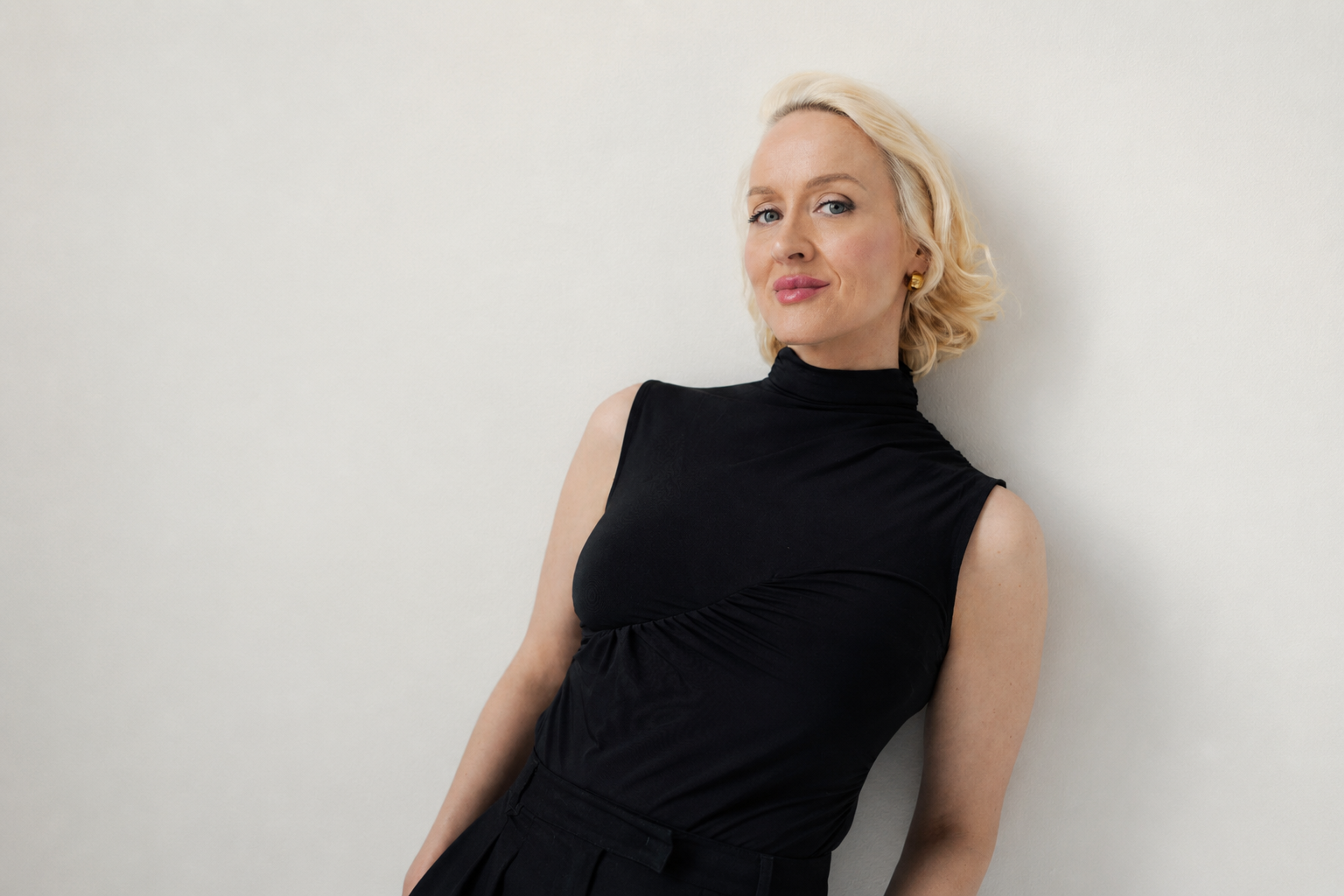
About Elisabeth
Elisabeth Teige has emerged as one of the leading dramatic sopranos of her generation, acclaimed for the warmth and beauty of her voice, her instinctive musicality, and the commanding intensity of her stage presence. She appears regularly at many of the world’s foremost opera houses and festivals, with recent and upcoming appearances including the Bayreuth Festival, Bayerische Staatsoper, Deutsche Oper Berlin, Teatro Real Madrid and Gran Teatre del Liceu.
She recently returned triumphantly to Bayreuth as Senta in Der fliegende Holländer, performing as part of the 150th-anniversary celebrations of the Festspielhaus. Her performance was praised for its “breathtaking” sound and “radiant yet richly nuanced” singing.
A major highlight of the 2026/27 season will be her eagerly anticipated role debut as Elektra at the Norwegian National Opera, conducted by Edward Gardner. Elsewhere, she makes her debut at Dutch National Opera as Senta and sings Elisabeth in Tannhäuser at the Bayerische Staatsoper, before making her Teatro Real Madrid debut in the same role. Her concert engagements include Mahler’s Symphony No. 8 with the Toronto Symphony Orchestra and performances of Strauss’s Vier letzte Lieder in Stavanger and across Spain.
Recent operatic successes include her first Isolde in Michael Thalheimer’s new production of Tristan und Isolde at Deutsche Oper Berlin, followed by further performances of the role at Oper Leipzig. She has also appeared at Deutsche Oper Berlin as Sieglinde in Die Walküre and Brünnhilde in Siegfried, and sang Chrysothemis in a concert performance of Elektra with the Dresden Philharmonic under Sir Donald Runnicles.
Contact

Nicholas Moloney

Vincent Turp

Jack Bushell
Representation
Worldwide general management with Askonas Holt
Season Highlights
Photos
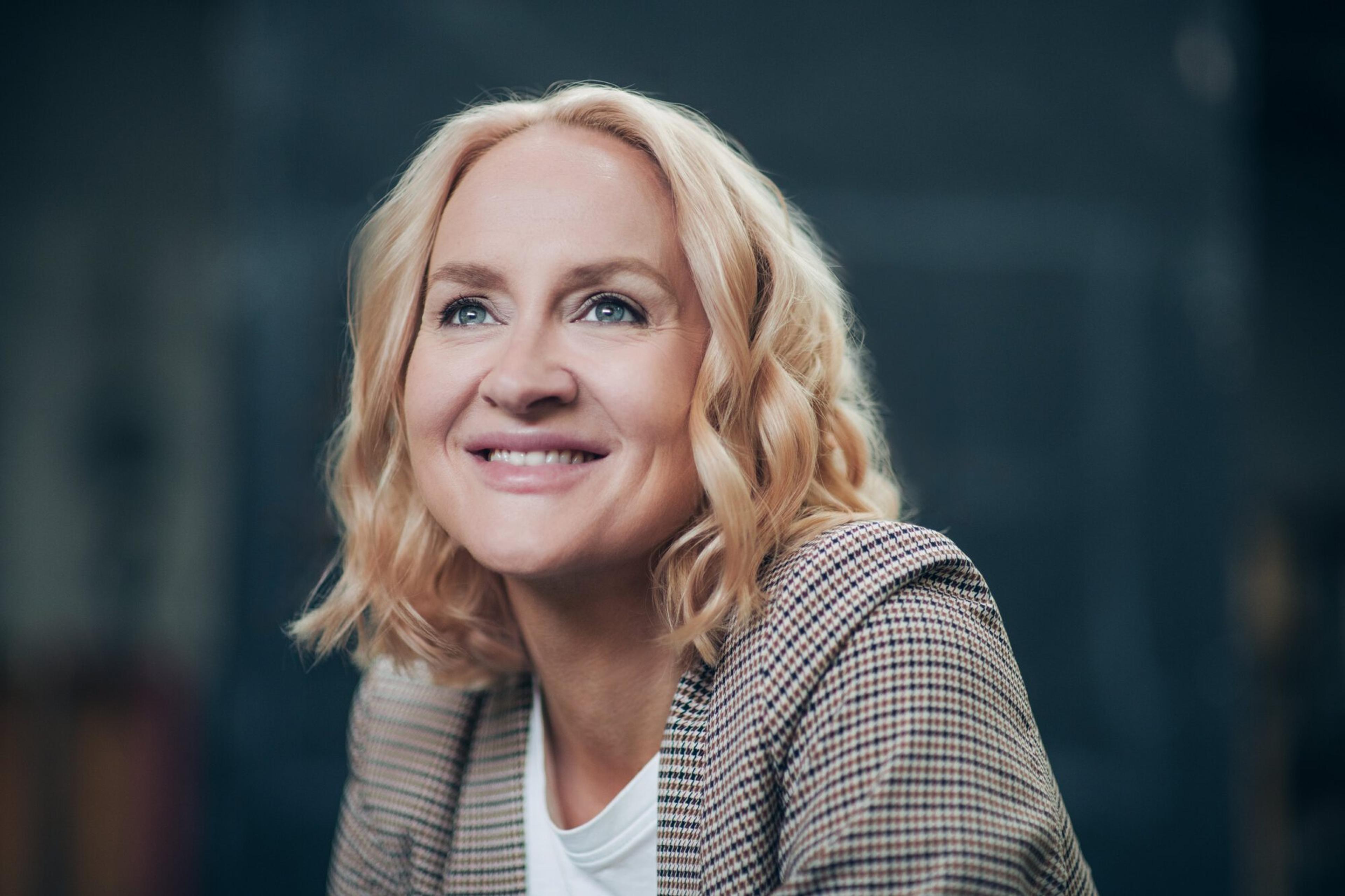
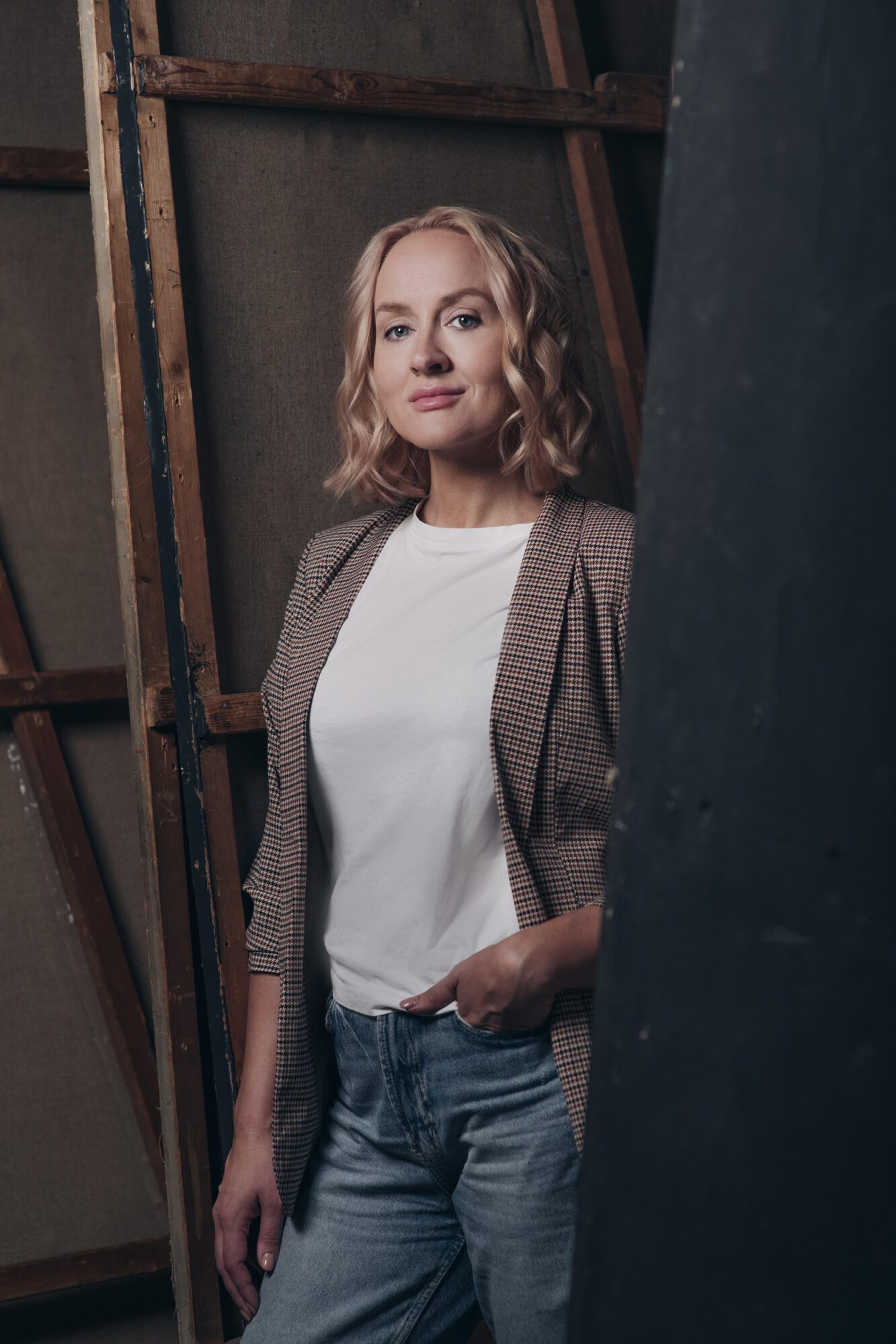
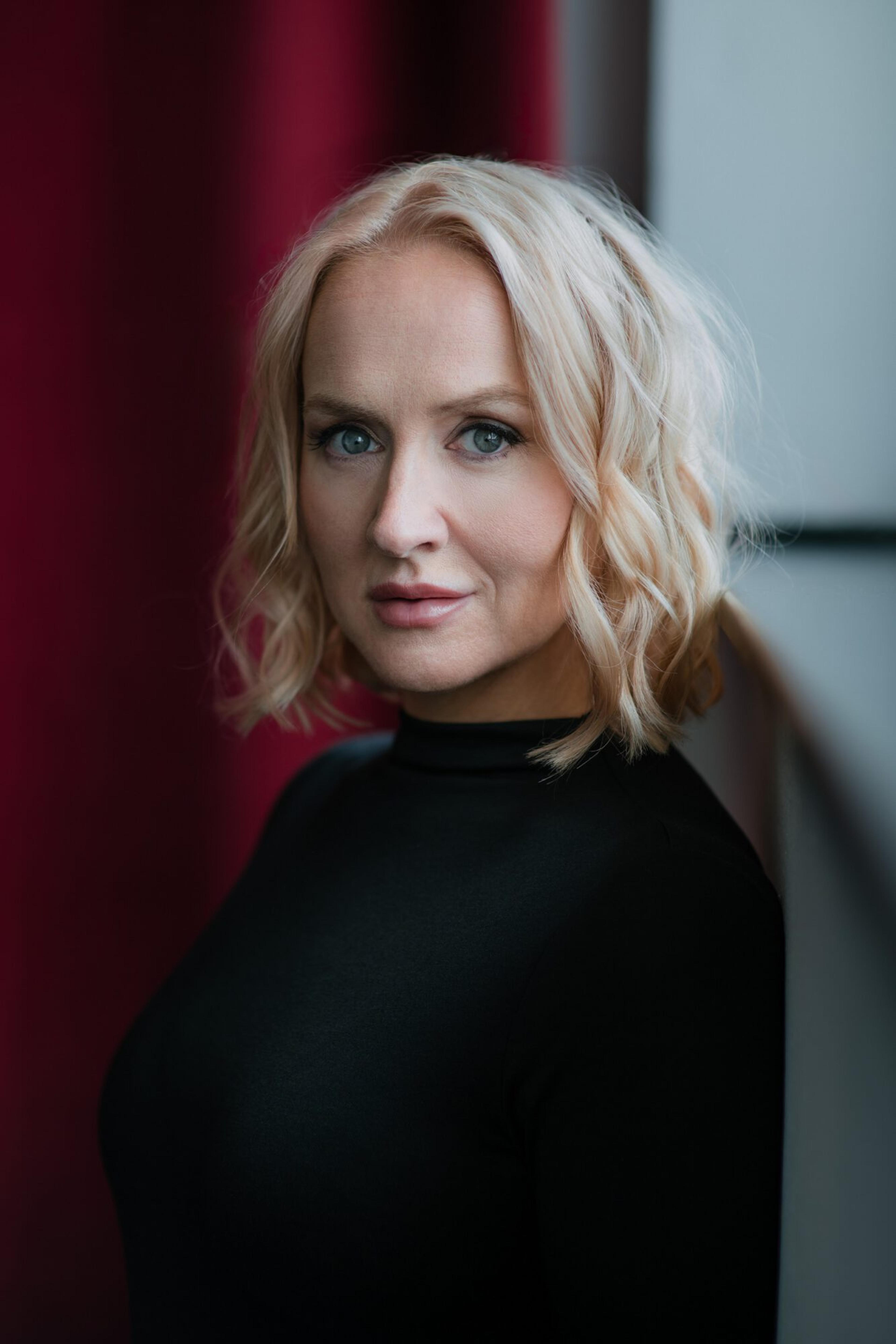
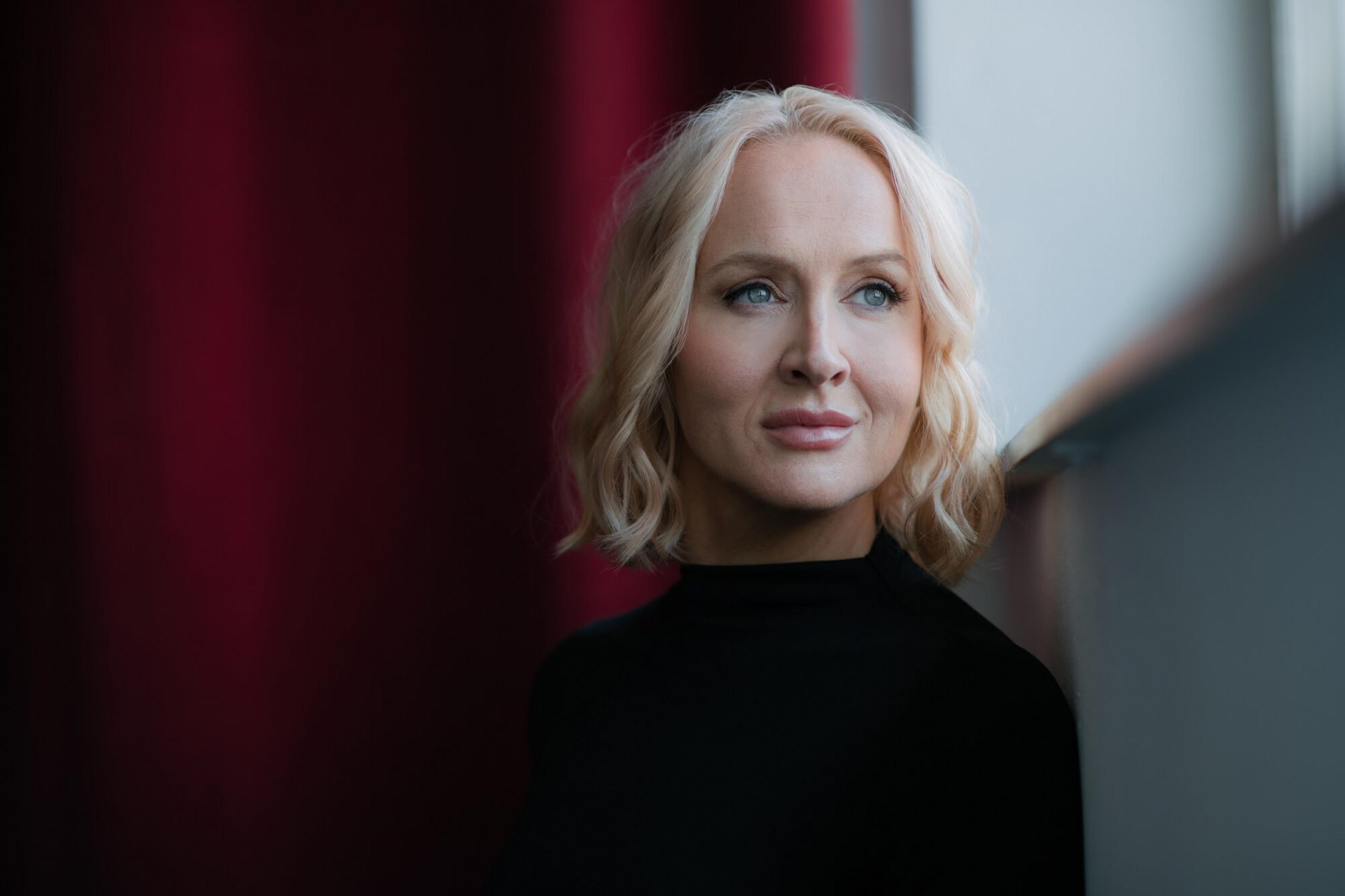
Selected Repertoire
Beethoven
Fidelio (Leonore)
Puccini
Madama Butterfly (Cio-Cio-San), Tosca (Tosca), Turandot (Turandot)
Strauss
Elektra (Chrysothemis, Elektra), Die Frau ohne Schatten (Die Kaiserin)
Wagner
Der fliegende Holländer (Senta), Lohengrin (Elsa), Das Rheingold (Freia), Die Walküre (Sieglinde, Brünnhilde), Siegfried (Brünnhilde), Götterdämmerung (Gutrune, Brünnhilde), Tannhäuser (Elisabeth, Venus), Tristan und Isolde (Isolde), Rienzi (Irene)
Press
Der Fliegende Holländer
Bayreuth FestivalJul 2026 - Aug 2026Elisabeth Teige gilt in ihrer Paraderolle als Traumbesetzung der Senta. Sie ist seit Jahren eine sehr bewährte Kraft bei den Festspielen. (u. a. Sieglinde und Elisabeth). Wie schon in den vorigen Jahren entfacht sie mit ihrem jugendlich-dramatischen Sopran Begeisterungsstürme. Und das nicht nur wegen ihrer harmonisch-warmen Mittellage, ihrer strahlenden Höhen – sondern gerade auch wegen ihrer darstellerischen Präsenz. Bereits bevor sie ihre ersten Töne singt, hat sie im Zusammenspiel mit dem Chor gezeigt, wes Geistes Kind sie ist. Ganz sicher findet der Holländer hier kein leichtes, naives Opfer in traditioneller Frauenrolle. Elisabeth Teige zeichnet überaus scharfe Charakterkonturen der Senta, die völlig anders sind, als von Wagner vorgesehen. [translated] Elisabeth Teige is regarded as a dream casting for Senta, one of her signature roles. She has been a highly reliable presence at the Festival for many years, including as Sieglinde and Elisabeth. As in previous years, her youthful dramatic soprano inspires tremendous enthusiasm — not only because of her warm, harmonious middle register and radiant top notes, but also because of her commanding stage presence. Even before she sings her first notes, her interaction with the chorus makes clear what kind of Senta she is. The Dutchman certainly does not encounter an easy, naïve victim in a traditional female role here. Elisabeth Teige draws Senta’s character in exceptionally sharp contours, presenting her in a way that is quite different from what Wagner originally envisaged.
- Uli Rehwald, IOCO
- 03 August 2026
La vera protagonista della serata è però Elisabeth Teige. La sua Senta unisce volume, luminosità e resistenza a un’intelligenza interpretativa fuori dal comune. Il registro acuto si espande con apparente facilità, la linea vocale resta sempre salda e l’accento possiede una partecipazione emotiva che rende credibile persino una caratterizzazione così distante dalla visionaria eroina immaginata da Wagner. Oggi pochi soprani jugendlich-dramatisch sembrano possedere un equilibrio altrettanto convincente fra mezzi vocali e carisma teatrale. [translated] The true star of the evening, however, is Elisabeth Teige. Her Senta combines volume, brilliance and stamina with exceptional interpretative intelligence. Her upper register opens out with apparent ease, the vocal line remains consistently secure, and her delivery has an emotional commitment that makes even a characterisation so far removed from Wagner’s visionary heroine entirely convincing. Few youthful-dramatic sopranos today seem to possess such a compelling balance of vocal resources and theatrical charisma.
- Ossama el Naggar, Ape Musicale
- 02 August 2026
Difficile dans ces conditions d’apprécier les talents d’actrice d’Elisabeth Teige, très investie dans ce qu’on lui demande de faire mais peu crédible du fait de sa caractérisation. On se concentre alors sur le son et ce que l’on entend est un bonheur : authentique grand lyrique, la voix est rayonnante de santé, lumineuse et libre. En tirant le rôle davantage du côté lyrique que dramatique, le personnage gagne en jeunesse, et on imagine combien elle pourrait être touchante dans une autre production. [translated] In these circumstances, it is difficult to assess Elisabeth Teige’s acting abilities. She is fully committed to what the production asks of her, but the characterisation itself makes her less convincing. Attention therefore turns to the sound, and what one hears is a delight: a true full lyric soprano, the voice is radiant with health, bright and free. By approaching the role from a more lyrical than dramatic perspective, the character gains a greater sense of youthfulness, and one can imagine how moving she could be in a different production.
- Pierre Venissac, Forum Opera
- 31 July 2026
Partageant cette série avec Asmik Grigorian qui avait inauguré la production en 2021, Elisabeth Teige ne se laisse jamais réduire au rôle de victime ou de jeune fille fascinée : elle impose une personnalité capable de répondre à la présence de Brownlee sans se laisser absorber par elle. La solidité vocale et l'intensité dramatique composent un personnage immédiatement crédible, emporté dans un affrontement dont il ne mesure pas toutes les implications. [translated] Sharing this series with Asmik Grigorian, who originated the production in 2021, Elisabeth Teige never allows herself to be reduced to the role of victim or fascinated young woman. She asserts a personality capable of matching Brownlee’s presence without being overwhelmed by it. Her vocal solidity and dramatic intensity create an immediately believable character, swept up in a confrontation whose full implications she does not yet understand.
- David Verdier, Olyrix
- 30 July 2026
Elisabeth Teige se superó a sí misma, y, como en años anteriores, “lució entrega, convicción dramática, fortaleza vocal”, además de una emisión lírica y efusiva que sienta como anillo al dedo al personaje de Senta. Por supuesto, se lució y mucho en la famosa Balada del segundo acto, pero también en los dúos con Erik y el Holandés (“Wie aus der Ferne längst vergang’ner Zeiten”). Desde su propio yo expresivo, se metió en la piel y entraña de una Senta conciliada con la particular y cruda visión de Cherniakov. [translated] Elisabeth Teige surpassed herself and, as in previous years, displayed “commitment, dramatic conviction and vocal strength,” together with a lyrical, effusive delivery that suits the character of Senta perfectly. She shone, of course, in the famous Ballad in Act II, but also in the duets with Erik and the Dutchman (“Wie aus der Ferne längst vergang’ner Zeiten”). Drawing on her own expressive personality, she fully inhabited a Senta reconciled with Cherniakov’s particular and uncompromising vision.
- Justo Romero, Beckmesser
- 31 July 2026
Face à lui, Elisabeth Teige confirme qu’elle est aujourd’hui l’une des grandes Senta de notre époque. Son timbre ambré, aux reflets légèrement voilés, épouse naturellement les longues arches mélodiques de Wagner. La ligne vocale demeure d’une remarquable continuité, les aigus s’épanouissent sans dureté et le personnage se construit moins dans l’exaltation que dans une obsession silencieuse. Sa Senta semble vivre dans un monde intérieur dont nul ne peut franchir le seuil, jusqu’à faire de son rêve une nécessité vitale. [translated] Opposite him, Elisabeth Teige confirms that she is today one of the great Sentas of our time. Her amber-toned voice, with its slightly veiled colouring, naturally embraces Wagner’s long melodic lines. The vocal line remains remarkably seamless, the high notes bloom without hardness, and the character is shaped less through exaltation than through a quiet obsession. Her Senta seems to inhabit an inner world whose threshold no one else can cross, until her dream becomes something essential to her very existence.
- Luc-Henri Roger, Résonances Lyriques
- 29 July 2026
Der Ring des Nibelungen
Deutsche Oper BerlinMay 2026 - Jun 2026Elisabeth Teige was an incandescent Sieglinde. Her lirico spinto soprano is ideal for this role. Endowed with brilliant high notes, she also sports a strong middle register that she uses to nuance her interpretation. In addition to her beautiful voice, Teige is convincingly expressive and a brilliant actress. Her Sieglinde was truly moving, a broken and helpless victim, not even fulfilled by motherhood (with her deformed child in this weird staging). In her first act duet with Siegmund, “Du bist der Lenz,” one could detect a joy in her voice in such a way that it sounded like an ecstatic rare emotion felt for the first time.
Elisabeth Teige matched him magnificently as Sieglinde. Her soprano possessed both gleaming power and an unusually warm middle register, enabling her to shape the character’s emotional transformation with exceptional nuance. Teige’s performance proved especially compelling in the first act, where she captured Sieglinde’s gradual emergence from repression into ecstatic emotional awakening. Vocally, she navigated Wagner’s demanding tessitura with remarkable consistency, maintaining tonal richness even at moments of extreme dramatic intensity.
- My Scena
- 05 June 2026
Elisabeth Teige returned—this time as Brünnhilde—with considerable success. The transition from Sieglinde in Die Walküre to Brünnhilde in Siegfried demonstrated both her versatility and vocal intelligence. Teige’s soprano possessed the necessary brilliance for the role while avoiding the metallic hardness that sometimes afflicts dramatic sopranos in Wagner. Her awakening scene communicated genuine emotional vulnerability beneath heroic authority, and vocally she sustained admirable steadiness through Wagner’s punishing climaxes. Particularly noteworthy was the warmth of her lower register, which lent unusual humanity to a character often portrayed through sheer vocal grandeur alone.
- My Scena
- 05 June 2026
And the singing — almost all of it by artists unknown to Bay Area homebodies — was little short of spectacular. To these ears, pride of place went to the Norwegian soprano Elisabeth Teige, who gave a quicksilvery, increasingly vibrant performance as Sieglinde in Die Walküre, only to follow up two nights later with an open-throated, luxuriant rendition of the Siegfried Brünnhilde.
- On a Pacific Aisle
- 04 June 2026
Tristan und Isolde
Deutsche Oper BerlinNov 2025At the centre of this triumph stood Elisabeth Teige, making an astonishingly assured role debut as Isolde. From her first imperious outbursts she sang with a scrupulous attention to Wagner’s markings, every phrase beautifully shaded, never a forced or ugly sound all evening. The voice gleamed evenly across its range, and she paced herself with remarkable intelligence, saving her best for a transcendent Liebestod that crowned her glorious interpretation. It’s hard to imagine the role sung these days with greater poise or conviction, and this performance marks a major milestone in the Norwegian soprano’s already impressive career.
- musicOMH
- 04 November 2025
Musically, however, the evening rose to far greater heights. Soprano Elisabeth Teige, making her role debut as Isolde, cut a strikingly beautiful figure and grew in vocal assurance as the evening unfolded. Her youthful, silvery soprano gained in suppleness and amplitude.
- Bachtrack
- 04 November 2025
Elisabeth Teige commands the stage from the first bar to the last. Her timbre ranges from lyrical charm to highly dramatic, metallic force, while her acting possesses an intensity that is both harrowing and captivating.
- Berliner Morgenpost
- 02 November 2025
Die Frau ohne Schatten
Opéra national du CapitoleJan 2024 - Feb 2024After her triumphant Senta in Bayreuth, her phenomenal Turandot in Strasbourg, Elisabeth Teige confirms her exceptional gifts. This melodic design with its shimmering platinum, these melismas encrusted with diamonds, these high notes threaded with gold, but also this femininity both fragile and tormented: all this creates a set of wonders which raise this Empress to the highest step.
- Diapason
- 26 January 2024