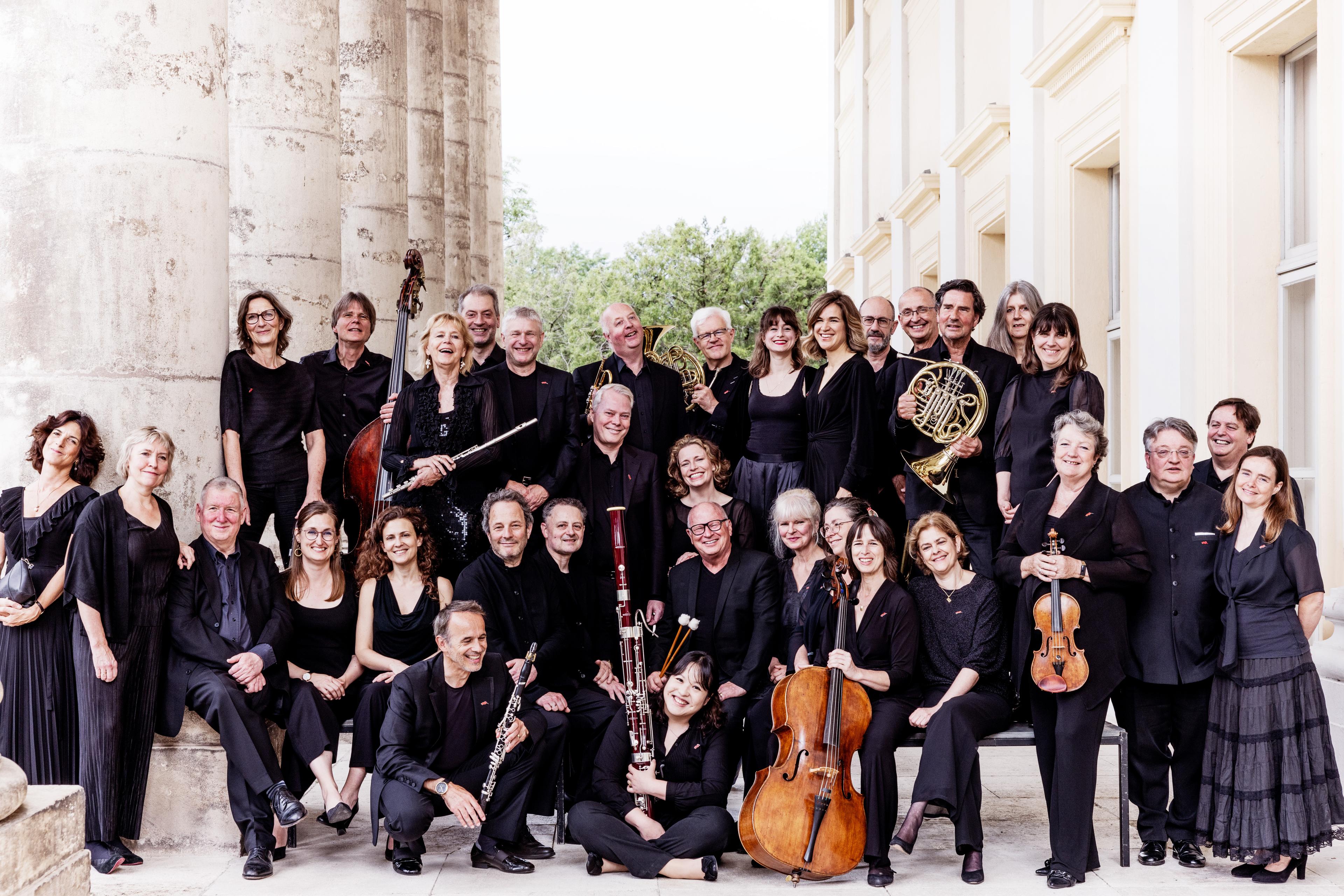
Chamber Orchestra of Europe
Introduction
The Chamber Orchestra of Europe (COE) was founded in 1981 by a group of young musicians who became acquainted as part of the European Community Youth Orchestra (now EUYO). There are now about 60 members of the COE, who pursue parallel careers as principals or section leaders of nationally-based orchestras, as eminent chamber musicians, and as tutors of music.
From the start, the COE’s identity was shaped by its partnerships with leading conductors and soloists. It was Claudio Abbado above all who served as an important mentor in the early years. He led the COE in staged works such as Rossini’s Il viaggio a Reims and Il barbiere di Siviglia and Mozart’s Le Nozze di Figaro and Don Giovanni and conducted numerous concerts featuring works by Schubert and Brahms in particular. Nikolaus Harnoncourt also had a major influence on the development of the COE through his performances and recordings of all of the Beethoven symphonies, as well as through opera productions at the Salzburg, Vienna, and Styriarte festivals.
Currently the Orchestra works closely with Sir András Schiff, Yannick Nézet-Séguin and Robin Ticciati who are both Honorary Members alongside Bernard Haitink and Nikolaus and Alice Harnoncourt.
The COE has strong links with many of the major festivals and concert halls in Europe including the Cologne Philharmonie, the Philharmonie Luxembourg, Paris Philharmonie, the Concertgebouw in Amsterdam and the Alte Oper in Frankfurt. In partnership with the Kronberg Academy, the COE becomes the first-ever Orchestra-in-residence at the Casals Forum in Kronberg from 2022. The Chamber Orchestra of Europe will also be Orchestra-in-residence at the Esterhazy Palace in Eisenstadt from 2022.
With more than 250 works in its discography, the COE’s CDs have won numerous international prizes, including two Grammys and three Gramophone Record of the Year Awards. Their most recent release is an archive recording of the Schubert Symphonies, performed at the Styriarte Festival in Graz in 1988 with Nikolaus Harnoncourt, released by ICA Classics.

Tours
- Dec 2025Europe & USA
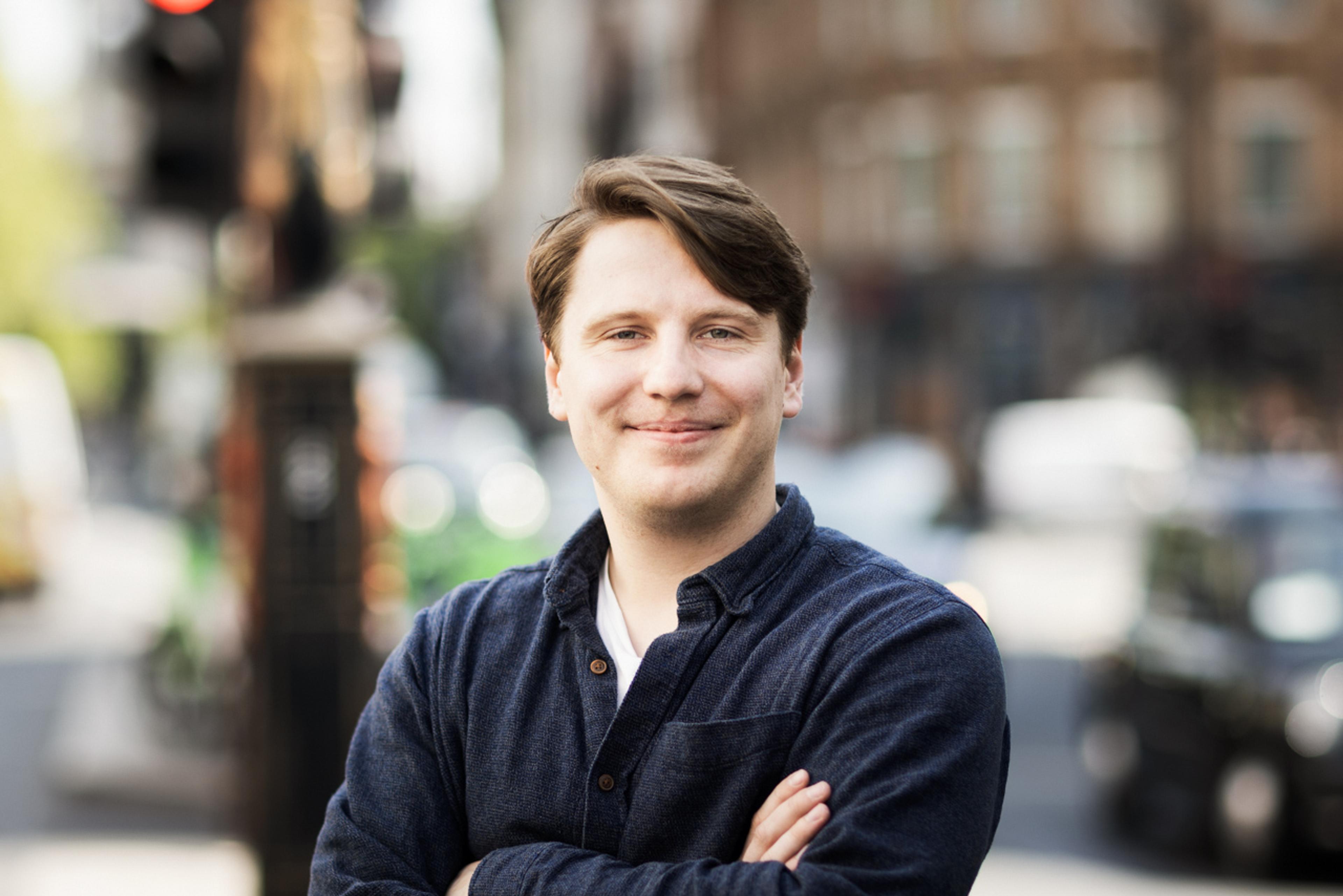
Yannick Nézet-Séguin (conductor) Veronika Eberle (violin) Jean-Guihen Queyras (cello) Johannes Brahms, Tragic Overture Op. 81 Johannes Brahms, Double Concerto for Violin, Cello and Orchestra in A minor Op. 102 Johannes Brahms, Symphony No. 1 in C minor Op. 68 Spanish Hall, Prague Castle, Prague | Philharmonie de Paris, Paris | Carnegie Hall, New York | Marian Anderson Hall, Philadelphia | Hill Auditorium, Ann Arbor
Photos

News
Carnegie Hall announces 2026/27 season
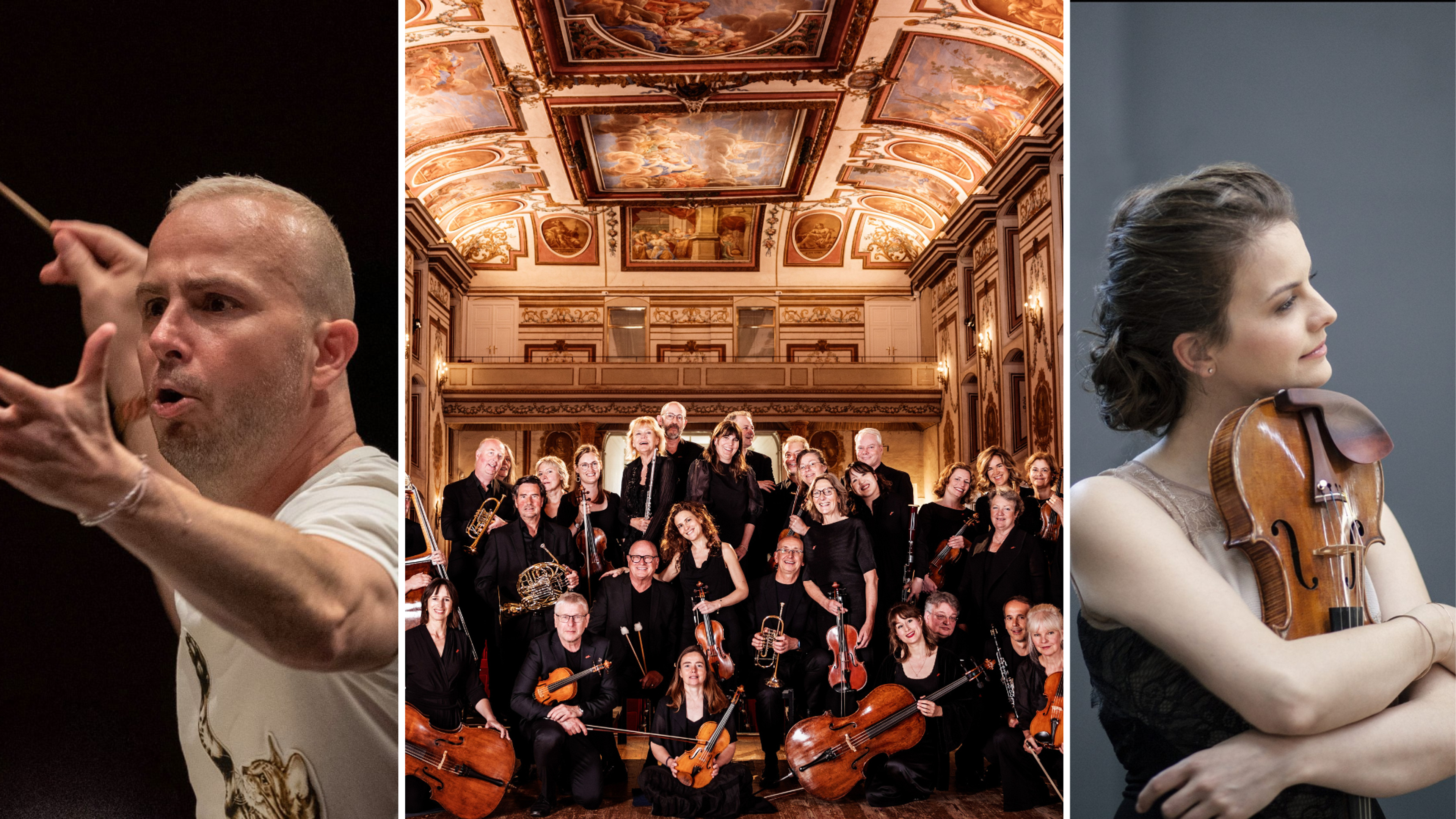
Transatlantic tour with Yannick Nézet-Séguin, Veronika Eberle and the Chamber Orchestra of Europe
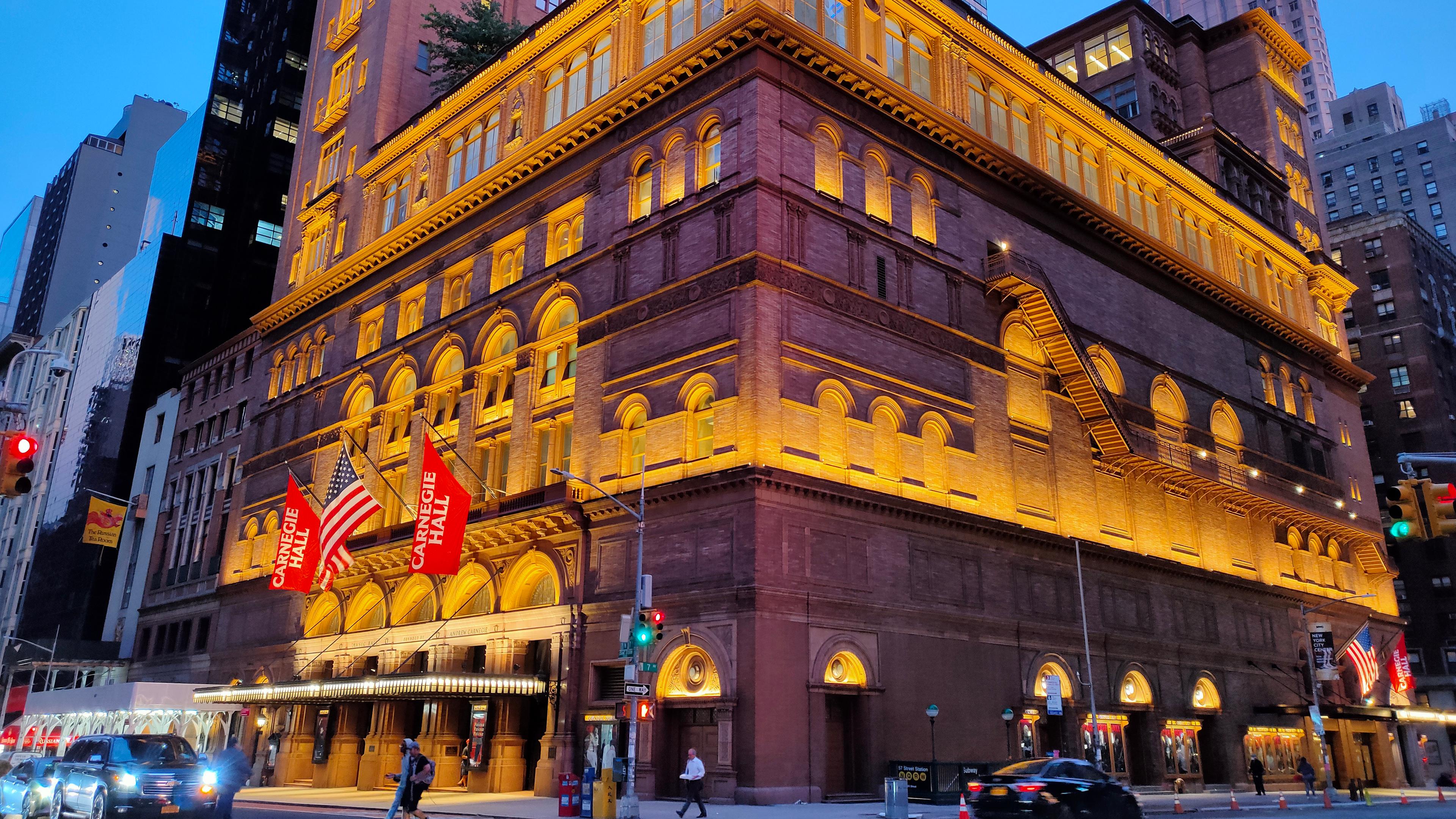
Carnegie Hall 2025/26: 24 AH artists and new annual celebration in co-presentation with Askonas Holt
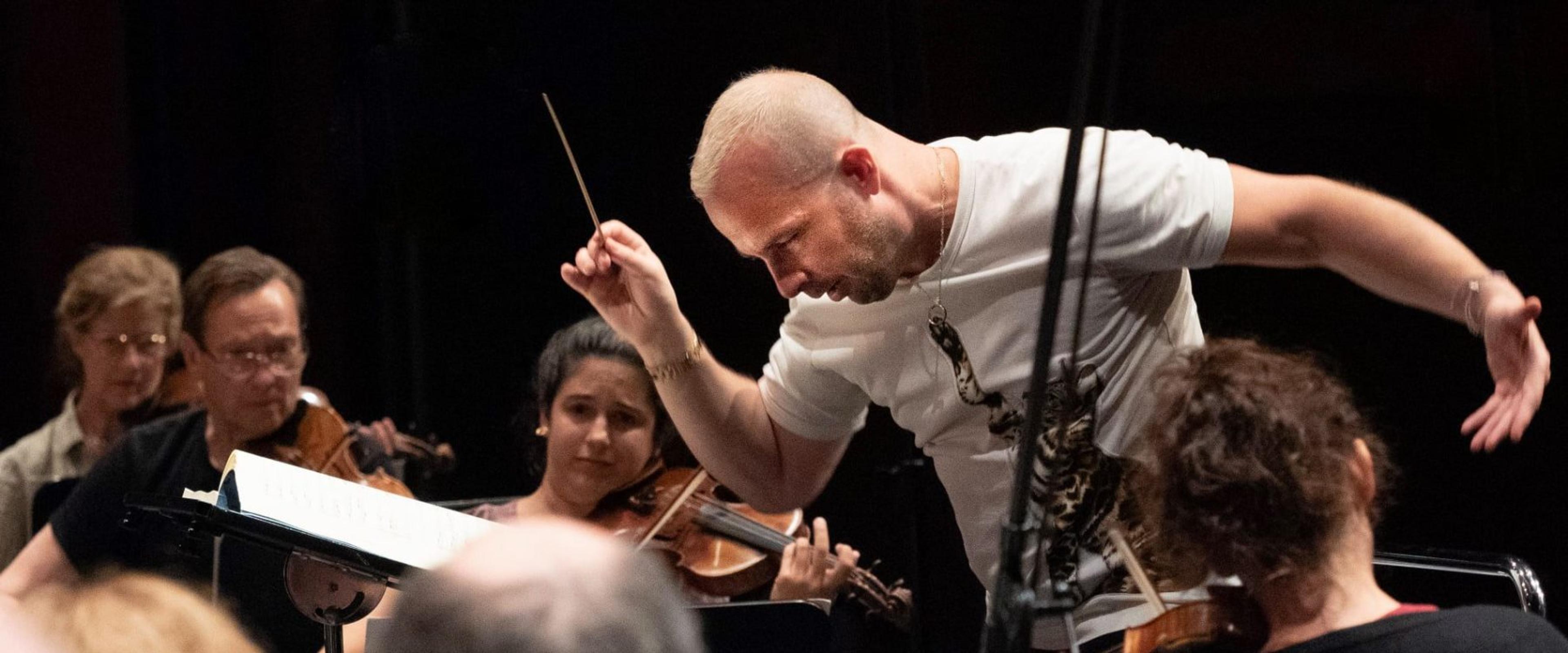
On tour: Yannick Nézet-Séguin and the COE return to Baden-Baden
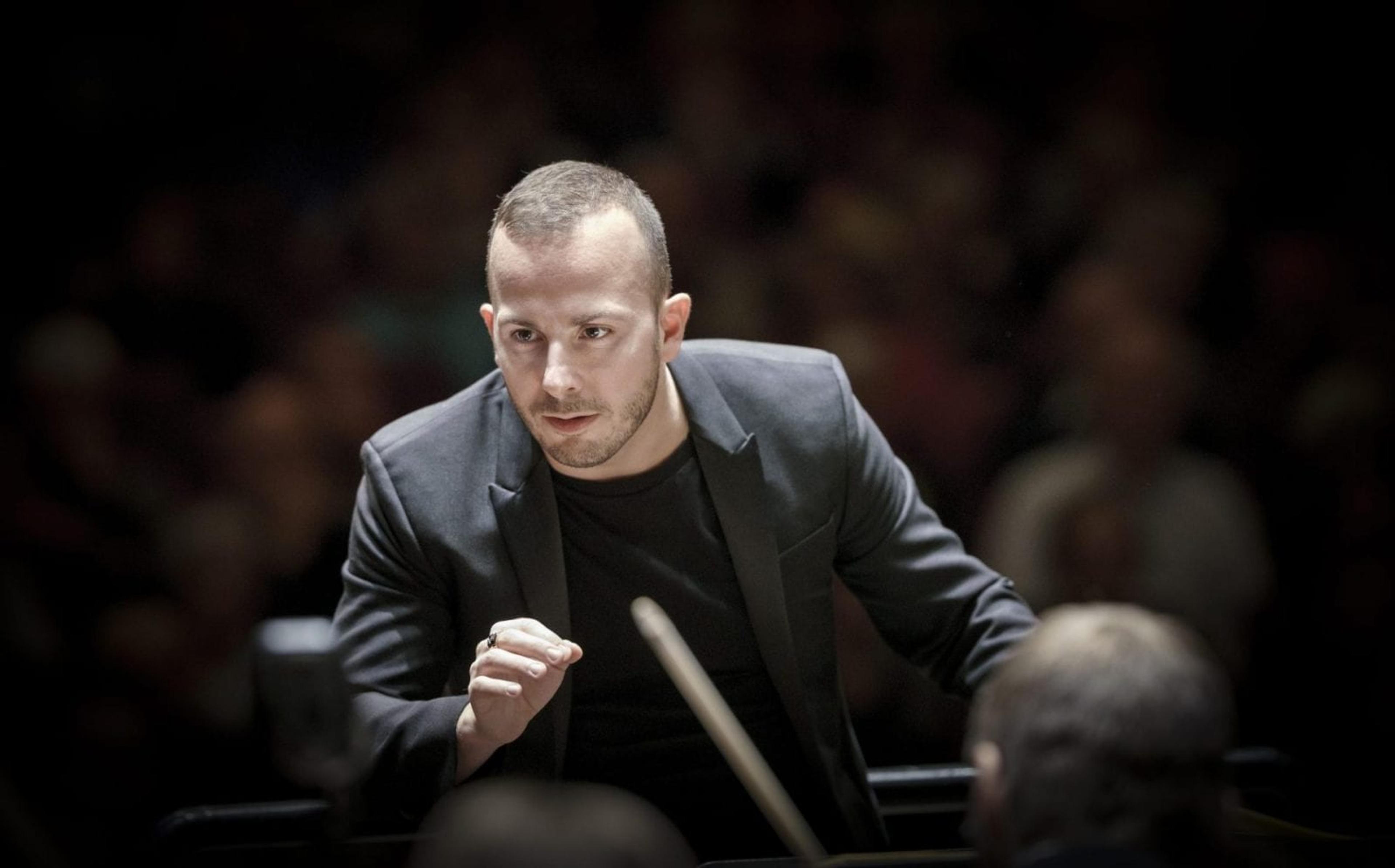
On Tour: Yannick Nézet-Séguin returns to the Chamber Orchestra of Europe for Beethoven Cycle Residency
Press
Concert
Philharmonie de ParisDec 2025Nézet-Séguin est dans un grand soir. En confiance face à un orchestre qu’il connaît mieux que personne dans ce répertoire qu’ils viennent d’enregistrer ensemble, en confiance dans cette Philharmonie de Paris qui lui est toute acquise et dont il adore l’acoustique, le maestro va livrer une vraie leçon sur l’art de la direction. On pourrait consacrer plusieurs paragraphes à chaque pupitre, au violon étincelant de Lorenza Borrani, à la flûte divine de Clara Andrada, au hautbois si chaleureux de Philippe Tondre, au cor alpestre héroïque de Benoît de Barsony… sans oublier les timbales proprement extraordinaires de John Chimes : ce soir, ce monument (nommé au BBC Symphony par Pierre Boulez en 1975) fait de son instrument une palette de couleurs sonores infinies, avec une diversité de textures, un soin apporté à l’articulation de chaque note, une conscience des phrases et de l’architecture musicale qui laissent pantois."